NYSE Stocks Picks 3rd February 2012
Procter & Gamble Company (The) (PG) -NYSE

American Electric Power Co Inc (AEP)


| Profession | Income | |||||
| £ | Dubloon | Modern US $ | ||||
| Nobleman | 5,000 - 25,000 | 6,500 - 35,000 | $800,000 - $4,000,000 | 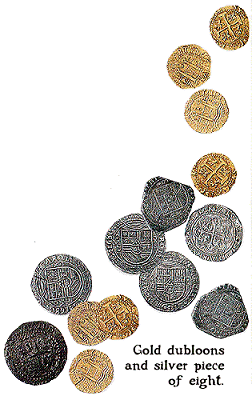 | ||
| Colonial Governor | 1,000 - 5,000 | 1,300 - 6,500 | $160,000 - $800,000 | |||
| Gentry | 1,000 - 5,000 | 1,300 - 6,500 | $160,000 - $800,000 | |||
| Officeholding Lawyer | 1,000 | 1,200 | $160,000 | |||
| Army Colonel | 365 | 480 | $58,000 | |||
| Navy Captain/Army Major | 237 | 316 | $38,000 | |||
| Yeoman farmer/Plantation Owner | 40 - 250 | 50 - 300 | $6,400 - $40,000 | |||
| Army Captain | 146 | 195 | $24,000 | |||
| Physician | 120 | 160 | $19,000 | |||
| Justice of the Peace | 63 | 85 | $10,000 | |||
| Army Lieutenant | 73 | 100 | $12,000 | |||
| Court Poet | 50 - 60 | 65 - 80 | $8,000 - $9,500 | |||
| Army Sergeant | 54 | 72 | $8,600 | |||
| Lower Clergy | 10 - 50 | 12 - 60 | $1,600 - $8,000 | |||
| Navy Midshipman | 27 | 38 | $4,300 | |||
| Skilled Craftsman | 30 | 40 | $4,800 | |||
| Sculptor | 20 - 100 | 25 -130 | $3,200 - $16,000 | |||
| Skilled Labourer | 16 - 18 | 20 - 30 | $2,500 - $3,000 | |||
| Apothecary | 10 - 15 | 13 - 20 | $1,600 - $2,400 | |||
| Army soldier | 15 | 20 | $2,400 | |||
| Unskilled Labourer | 12 | 16 | $1,900 | |||
| Navy Seaman | 11 | 15 | $1,750 | |||
| Agricultural Worker | 10 - 13 | 13 - 17 | $1,600 - $2,000 | |||
| Teacher (Male) | 12 | 16 | $1,900 | |||
| Subsistence Farmer | 6 | 8 | $950 | |||
| Teacher (Female) | 8 | 10 | $1,250 | |||
| Woman Labourer | 5 | 7 | $800 | |||
| Militiaman | 4 | 5 | $600 | |||
| Servant | 1 plus keep | 1 plus keep | $150 plus keep | |||
| Weapons | ||||||
| Cutlass/Hanger | - | 7 | 6 | $60 | Standard weapon of pirates and sailors. | |
| Broadsword/Cavalry Sword | - | 10 | - | $80 | Common weapons amongst soldiers. | |
| Smallsword | 3-5 | - | - | $480-$800 | A gentleman's sword. This is a plain version, many are jewelled and gilded. | |
| Dagger | - | 2 | 6 | $20 | ||
| Boarding axe | - | 5 | - | $40 | ||
| Boarding pike | - | 4 | - | $32 | ||
| Belaying pin | - | 2 | - | $16 | ||
| Musket, flintlock | 3 | - | - | $480 | ||
| Musket, matchlock | 1 | - | - | $160 | Somewhat slow and antiquated, but cheap. | |
| Carbine, flintlock | 2 | 10 | - | $400 | ||
| Pistol, flintlock | 5 | - | - | $800 | ||
| Blunderbuss, flintlock | 2 | - | - | $320 | ||
| Musketoon, flintlock | 2 | - | - | $320 | ||
| Swivelgun | 2 | - | - | £320 | Per pound shot. Weight of the gun is about 50 times the weight of the shot | |
| Cannon | 4 | - | - | $640 | Per pound shot. Weight of the gun is about 200 times the weight of the shot. | |
| Roundshot | - | - | 2 | $1.30 | Per pound of shot. | |
| Pistol/Musket shot | - | - | 6 | $4 | Per pound of shot - around 15 musket balls or 25 pistol balls. | |
| Wadding | - | - | - | - | Any canvas, linen or paper will do. Worn sailcloth is commonly used. | |
| Black Eagle (powder) | - | 10 | - | $80 | Per cask. This powder is old and has settled out of its original mix. It has been around too long. It is less reliable and more dangerous than other powders, but it is cheap! | |
| French White Letter (powder) | 1 | - | - | $160 | Per cask. This powder is not fresh, but it has been stored and mixed properly and gives good report when fired. | |
| Red Letter (powder) | 1 | 10 | - | $240 | Per cask. This powder is hard to get. It is Port-Royal's best powder, and the ingredients are superior. This is new powder that stores well. | |
| White Letter Primer | 2 | - | - | $320 | Per cask. This is a fine grain high quality powder, used to prime both handguns and cannons. Fine grain priming powder is a neccessity. Each cannon shot used as much primer as a fully loaded musket uses common powder. | |
| Powder horn | - | - | 10 | $6.70 | Holds the coarse reloading powder for pistols and muskets. Contains around 40 shots worth of powder. | |
| Priming horn | - | - | 6 | $4 | Holds the finer priming powder. | |
| Cartridge box | - | 2 | 6 | $20 | Holds between 12 and 20 paper cartriges for a musket. | |
| Bayonet | - | 2 | 6 | $20 | Socket type bayonet. | |
| Sample Cargoes/Treasures | ||||||
| Leather shoes (fromFlorence) | 400 | - | - | $64,000 | For a crate of around 200 shoes. | |
| Furniture (from Paris) | 1,800 | - | - | $288,000 | For a crate of around 30 pieces of furniture. | |
| Fans (from China) | 3,200 | - | - | $512,000 | For a crate of 800 fans. | |
| Rugs (from Turkey) | 1,000 | - | - | $160,000 | For a crate of 50 rugs. | |
| Books (from Europe) | 1,200 | - | - | $192,000 | For a crate of 200 books. | |
| Pewterware (from London) | 600 | - | - | $96,000 | For a crate of 200 pieces. | |
| Glassware (from Amsterdam) | 800 | - | - | $128,000 | For a crate of 200 pieces. | |
| Jewellery (from Venice) | 6,000 | - | - | $960,000 | For a crate of approximately 50 pieces (for example, letter openers, crucifixes, music boxes, inkwells, etc.) | |
| Jewellery (from Spain) | 4,000 | - | - | $640,000 | For a crate of approximately 100 pieces (for example, rosaries and rings from Cadiz, bracelets and pendants from Seville, smallswords from Toledo, etc.) | |
| Bar of Gold | 1,500 | - | - | $240,000 | For a single 5lb bar. | |
| Bar of silver | 50 | - | - | $8,000 | For a single 5lb bar. | |
| Silverware | 10,000 | - | - | $1,600,000 | A crate of approximately 200 pieces. (for example, cups, urns, plates, forks, knives, spoons, etc.) | |
| Semi-Precious gemstones | 40,000 | - | - | $6,400,000 | For approximately 300-500 gemstones,, weighing approx. 100lbs (for example, opals, topaz, lapis lazuli, etc.) | |
| Precious gemstones | 200,000 | - | - | $32,000,000 | For approximately 500-1,000 gemstones, weighing around 100lbs (for example, emeralds, sapphires, diamonds, rubies, etc.) | |
| Pearls | 12,000 | - | - | $1,920,000 | For approximately 300 pearls (weighing about 30-40lbs) | |
| Ivory | 40,000 | - | - | $6,400,000 | For a crate of about 10 tusks. | |
| Sandlewood (from China) | 1,000 | - | - | $160,000 | For about 100lbs weight. | |
| Silk | 800 | - | - | $128,000 | Per bolt. | |
| Cask of Pepper | 200 | - | - | $32,000 | ||
| Cask of Cloves | 400 | - | - | $64,000 | ||
| Cask of Rosemary | 100 | - | - | $16,000 | ||
| Cask of Ginseng | 1,600 | - | - | $256,000 | ||
| Cask of Medicinal herbs | 800 | - | - | $128,000 | ||
| Cask of Vinegar or olive oil | 20 | - | - | $3,200 | ||
| Cask of good rum | 30 | - | - | $4,800 | ||
| Cask of poor rum | 10 | - | - | $1,600 | ||
| Cask of (European) Wine | 50 | - | - | $8,000 | This includes wine made in the vineyards of New Spain. | |
| Cask of fine wine | 100 | - | - | $16,000 | This is wine from well known wineries and of excellent vintage. | |
| Cask of local fruit wine | 30 | - | - | $4,800 | This is made in many different ways and with different fruits. | |
| Cask of Beer | 10 | - | - | $1,600 | Beer of acceptable quality (mixes equally with water to make small beer) | |
| Profession | Income | |||||
| £ | Dubloon | Modern US $ | ||||
| Nobleman | 5,000 - 25,000 | 6,500 - 35,000 | $800,000 - $4,000,000 | |||
| Colonial Governor | 1,000 - 5,000 | 1,300 - 6,500 | $160,000 - $800,000 | |||
| Gentry | 1,000 - 5,000 | 1,300 - 6,500 | $160,000 - $800,000 | |||
| Officeholding Lawyer | 1,000 | 1,200 | $160,000 | |||
| Army Colonel | 365 | 480 | $58,000 | |||
| Navy Captain/Army Major | 237 | 316 | $38,000 | |||
| Yeoman farmer/Plantation Owner | 40 - 250 | 50 - 300 | $6,400 - $40,000 | |||
| Army Captain | 146 | 195 | $24,000 | |||
| Physician | 120 | 160 | $19,000 | |||
| Justice of the Peace | 63 | 85 | $10,000 | |||
| Army Lieutenant | 73 | 100 | $12,000 | |||
| Court Poet | 50 - 60 | 65 - 80 | $8,000 - $9,500 | |||
| Army Sergeant | 54 | 72 | $8,600 | |||
| Lower Clergy | 10 - 50 | 12 - 60 | $1,600 - $8,000 | |||
| Navy Midshipman | 27 | 38 | $4,300 | |||
| Skilled Craftsman | 30 | 40 | $4,800 | |||
| Sculptor | 20 - 100 | 25 -130 | $3,200 - $16,000 | |||
| Skilled Labourer | 16 - 18 | 20 - 30 | $2,500 - $3,000 | |||
| Apothecary | 10 - 15 | 13 - 20 | $1,600 - $2,400 | |||
| Army soldier | 15 | 20 | $2,400 | |||
| Unskilled Labourer | 12 | 16 | $1,900 | |||
| Navy Seaman | 11 | 15 | $1,750 | |||
| Agricultural Worker | 10 - 13 | 13 - 17 | $1,600 - $2,000 | |||
| Teacher (Male) | 12 | 16 | $1,900 | |||
| Subsistence Farmer | 6 | 8 | $950 | |||
| Teacher (Female) | 8 | 10 | $1,250 | |||
| Woman Labourer | 5 | 7 | $800 | |||
| Militiaman | 4 | 5 | $600 | |||
| Servant | 1 plus keep | 1 plus keep | $150 plus keep | |||